Let the Church Rebuild You
The Pursuit of Truth in the Age of AI

Recently, social media offered me a split-screen video of, on the right-side, a pastor giving an impassioned speech about Christian virtue and, on the left-side, presumably a podcast host sitting in his home studio, emphatically nodding along. The speech was compelling, and not so different from something I might have heard at Hall of Men. The problem was the white watermark in the bottom right corner: "This video was produced by AI."
I watched and re-watched this video, trying to discern which side was AI; who wasn't real, the pastor or the podcast host? I genuinely could not tell, and once my wife caught my paranoia, she wondered, I think rightly, "Why couldn't they both be fake?"
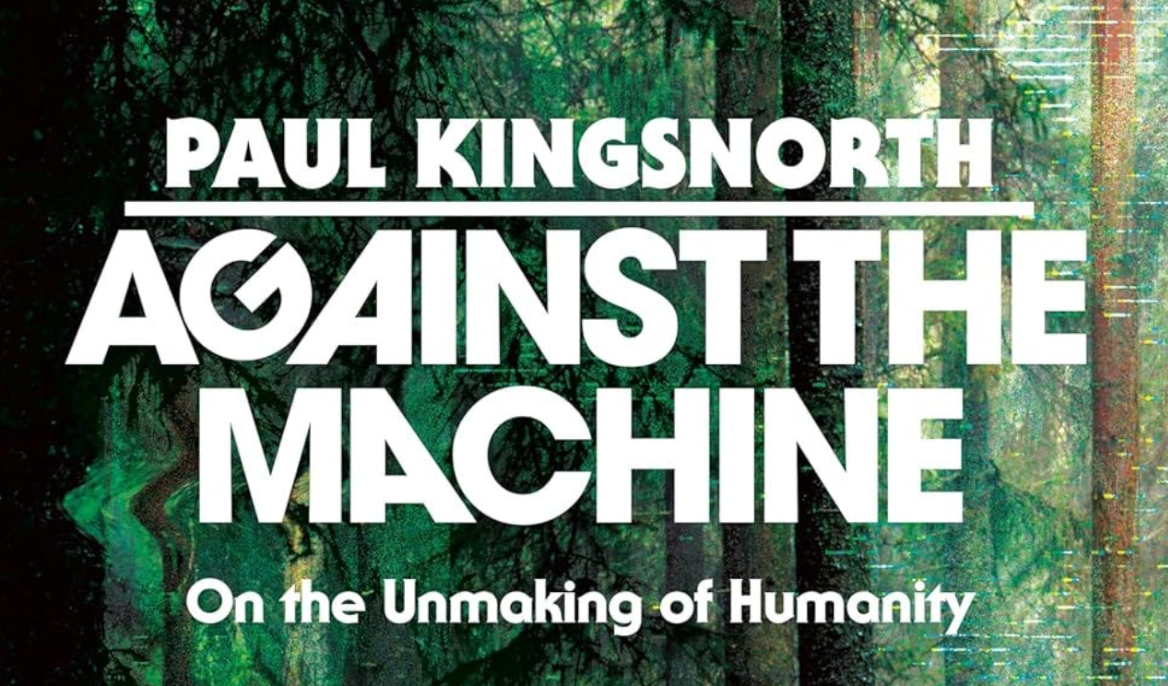
Paul Kingsnorth's Against the Machine is a kind of necessary Pandora's box (or maybe just opening our eyes to the "boxes" that are opening everywhere among our AI/machine-driven world, whether we know it or not), and appropriate commentary on the book requires at least another book itself. But one of his ideas that has most stuck with me is his prediction in the near future of what he calls "death by insanity," when people really won't be able to tell what is real or not anymore. In a small way, this is what I was feeling already watching this video. Really, an AI sermon? A shuddering thought: if Eighth Day Institute made a video like this, why should anyone believe that was real?
It was in this spinning that I started for the first time reading St. John of Damascus, the patron saint of the Institute. His Fount of Knowledge begins with "Philosophical Chapters" that a younger me would have skipped over, mostly definitions of terms: this is what "being" is, this is what "substance" is. But in the AI world, basics like this were strangely comforting. As more basic human functioning is being pressured to be replaced by AI, to have someone hold my hand, like a child's, and rebuild my sense of truth is consoling; to have one of the few men in history deemed "the Last of the Fathers" hold my discerning hand is another thing altogether.
Once I started with the last section of this collection, his most famous writings, "On the Orthodox Faith," which were the first-ever attempt at summarizing all of Christian theology, like a predecessor to Thomas Aquinas' Summa Theologica, I was surprised at how approachable his writing is, despite the centuries that separate us from him.
So. For the forseeable future, anytime I contribute here to Microsynaxis, I invite you to walk with me through the writings of St. John of Damascus. Aspects of our AI-driven life are genuinely unprecedented, but the Church has dealt with rampant falsehood before, and we can do it again.
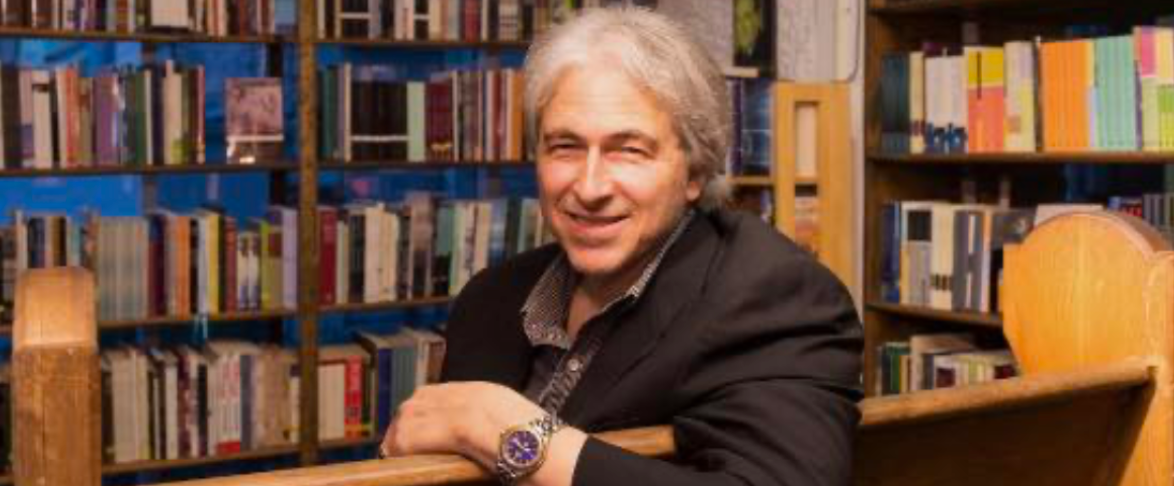
LUKE TAYLOR GILSTRAP is the Vice President of the Eighth Day Institute Board of Directors and a husband, father, and writer happily living in Wichita, Kansas.
Share this Post on Your Preferred Platform