The Rhythm of the Coop
On the Theology of Raising Chickens
In the Spring of 2019, my wife and I began raising chickens. We started small, with four fluffy chicks and a tiny coop. They were just days old, so we kept them in a spare room of our house until they were old enough to transition to the coop outside. Immediately, a rhythm emerged; I called it "the rhythm of the coop."
It went something like this: Regular checks throughout the day to make sure the feeder was full, that the waterer was clean (and upright), that the bedding was fresh, that the brooder was neither too hot nor too cold, and that no one had escaped from the small trough we kept them in.
After moving them outside, the rhythm changed, but it also remained the same. Sunrise — no matter how early — meant letting them out; sunset meant closing them in — and ensuring no one was left out in the dark. The feeder still needed filling; the waterer still needed tending; the coop still needed cleaning. And, the rhythm of the coop thrummed on.
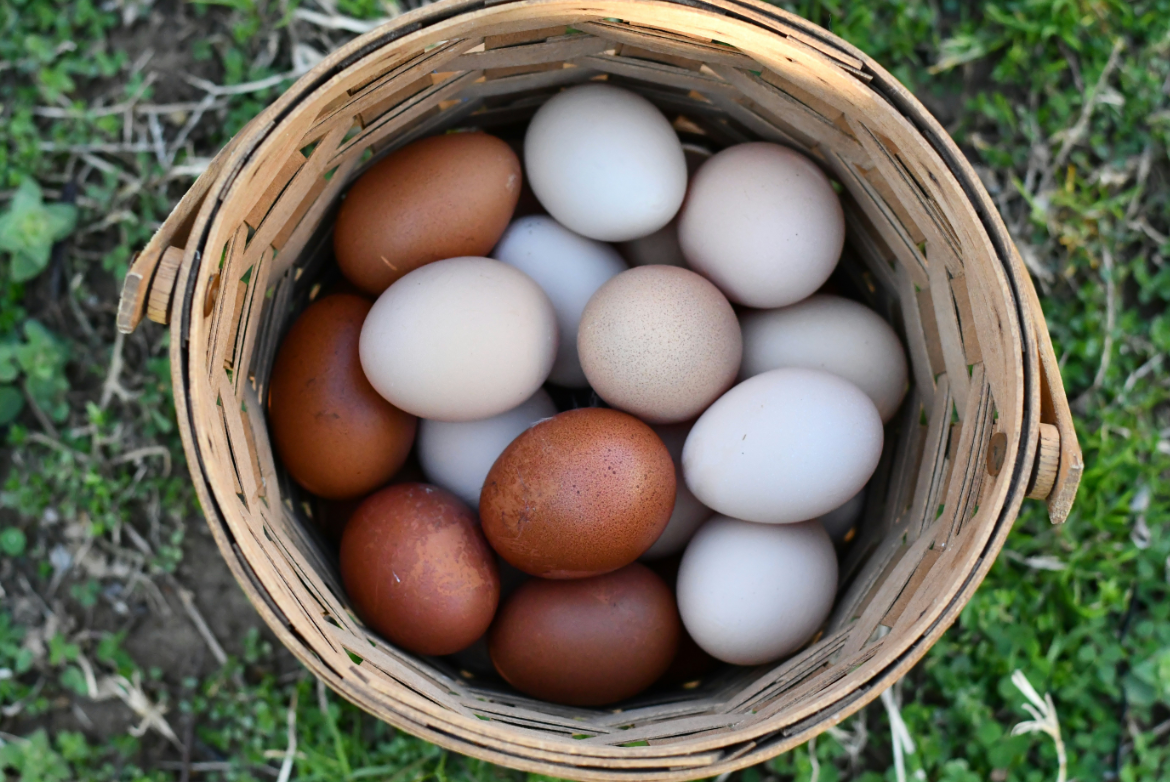
It took about six months before we found the first egg in the nest box. What a delight! We hung a sign in our kitchen that read, "Breakfast laid fresh daily." The work was beginning to pay off. And, the rhythm of the coop thrummed on.
Then, the inevitable happened. We lost two, and nearly a third, one winter night due to carelessness on my part in not securing the coop properly. It was bad enough that our egg supply was cut by more than 50 percent (the survivor made a mostly full recovery, but her egg-laying schedule was never the same afterward), but I felt the weight of guilt that my lack of attention and diligence was to blame.
The following spring, we built a bigger coop and started rebuilding our flock, and over the years, we have lost more and added more (most recently three ducks). Now, we collect more eggs than we can eat, so we share our bounty with our neighbors — not a one of whom has complained about the cacophony of clucking, cackling, and quacking echoing from our side of the fence.
I often think of the parallels between raising and caring for animals and acquiring and cultivating the virtues of the Christian life. Like waiting for that first egg to appear, sanctification does not happen overnight. It takes time and toil, diligence and patience. It requires sacrifice, but eventually, you see the fruit of your labor in a harvest of blessing for yourself and others. And, you learn to accept the fragility of life and be thankful for the daily provision by which God sustains it.
And, I find myself praying as I go about my morning and evening chores, asking for God's blessing over my little flock and my growing family — for their well-being and protection and flourishing. I think of Christ. He is the Mother Hen and the Good Shepherd, and I pray that He would use the lessons I have learned and continue to learn to make me into a better husband, father, friend, and follower of Christ as the rhythm of the coop thrums on.
MICHAEL SIMMON currently serves as the Secretary of the Eighth Day Institute Board of Directors and Coordinator for Hall of Men. He resides in Wichita, Kansas with his wife and four children.
Share this Post on Your Preferred Platform